Electric Pallet Trucks vs Manual Pallet Trucks: Best Choice Guide
Understanding the Critical Choice Between Electric and Manual Pallet Trucks
Warehouse managers face a fundamental decision that directly impacts operational efficiency: selecting between electric pallet trucks and manual alternatives. This choice affects not only immediate material handling costs but also long-term productivity, worker safety, and overall logistics performance. According to industry research from Material Handling Institute, businesses that optimize their pallet truck selection can improve warehouse throughput by 25-40% while reducing labor-related injuries by up to 30%.
The distinction between these two equipment categories extends beyond simple power source differences. Each type offers specific advantages that align with different operational requirements, facility layouts, and business scales. Manual pallet trucks, also known as pallet jacks or pump trucks, rely entirely on human power for operation. In contrast, electric-powered variants utilize battery systems to automate lifting and propulsion functions, significantly reducing physical strain on operators.
This comprehensive analysis examines the technical specifications, cost implications, and practical applications of both equipment types. Furthermore, we’ll explore real-world case studies demonstrating how businesses across various industries have optimized their material handling strategies. By understanding the nuanced differences between electric and manual pallet trucks, you’ll be equipped to make an informed decision that aligns with your specific operational needs and budget constraints.
Manual Pallet Trucks: Simplicity and Cost-Effectiveness in Action
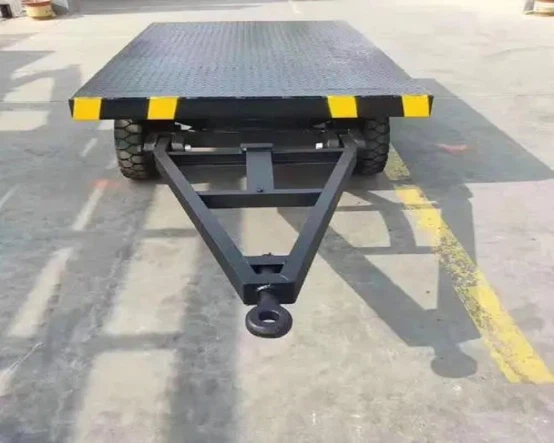
Manual pallet trucks represent the most basic form of material handling equipment, featuring a straightforward hydraulic mechanism that operators control through pumping action. These devices typically handle loads ranging from 2,000 to 5,500 pounds, with fork lengths spanning 36 to 48 inches. The construction generally includes steel frames, polyurethane or nylon wheels, and a hydraulic pump system that requires approximately 20-30 pumps to reach maximum lift height of 7-8 inches.
The primary advantage of manual pallet jacks lies in their lower upfront investment compared to electric alternatives. Pricing varies significantly depending on specifications, brand, and supplier—contact manufacturers directly for accurate quotes tailored to your requirements. Moreover, maintenance requirements remain exceptionally low, typically limited to periodic lubrication of moving parts and occasional hydraulic seal replacements. Since these units contain no batteries or electrical components, operational costs consist solely of routine maintenance throughout the equipment’s lifespan.
However, manual pallet trucks impose significant physical demands on operators. Research published by the Occupational Safety and Health Administration (OSHA) indicates that manual pallet jack operation involves repetitive pulling forces of 35-50 pounds for horizontal movement, with initial breakaway forces sometimes exceeding 100 pounds on uneven surfaces. Consequently, these devices work best in environments with limited transport distances, lighter loads, and lower frequency operations. Typical applications include small retail stockrooms, light manufacturing facilities, and operations moving 20-50 pallets daily across distances under 50 feet.
Electric Pallet Trucks: Enhanced Productivity Through Automation

Electric pallet trucks, alternatively called powered pallet jacks or walkie pallet trucks, incorporate battery-powered motors that handle both lifting and propulsion functions. These units typically feature 24-volt lithium-ion or lead-acid battery systems, with weight capacities ranging from 3,000 to 8,000 pounds depending on the model. Advanced variants include features such as regenerative braking, programmable speed controls, and integrated load monitoring systems that enhance both safety and operational efficiency.
The technological advantages translate directly into measurable productivity gains. A study conducted by the Warehouse Education and Research Council found that electric pallet trucks enable operators to move 150-200 pallets per eight-hour shift, compared to 50-80 pallets with manual alternatives. This three-fold efficiency improvement stems from faster travel speeds (typically 3-4 mph versus 2 mph for manual walking pace), reduced fatigue, and elimination of pump time during load lifting. Additionally, electric models significantly reduce musculoskeletal injury risks, with ergonomic studies showing 60-70% reduction in operator physical strain.
Investment considerations for electric pallet trucks require careful evaluation of both initial and ongoing costs. While electric models command higher purchase prices than manual alternatives, specific pricing depends on capacity, features, and manufacturer. Battery replacement cycles occur every 3-5 years, and ongoing maintenance includes electrical system checks, wheel replacements, and hydraulic service. Despite higher upfront costs, total cost of ownership analysis often favors electric models in high-volume operations. For precise pricing information tailored to your specifications, consult multiple suppliers and request detailed quotes including warranty terms and service agreements.
Comparative Analysis: Key Decision Factors for Your Operations
Operational Volume and Distance Requirements
The break-even point between manual and electric pallet trucks typically occurs around 80-100 pallet movements daily. Operations below this threshold often find manual units more cost-effective, while higher volumes justify electric equipment investment. Similarly, transport distances play a crucial role: manual trucks remain practical for moves under 50 feet, whereas electric models become increasingly advantageous for distances exceeding 100 feet. A pharmaceutical distribution facility in New Jersey documented 35% productivity improvement after switching to electric pallet trucks for cross-dock operations spanning 200-300 feet.
Floor Conditions and Environmental Factors
Surface quality significantly impacts equipment selection. Manual pallet trucks require smooth, level concrete floors to function efficiently, as rough surfaces or inclines dramatically increase required pulling forces. Conversely, electric models handle varied floor conditions more effectively, with powered traction systems overcoming surface irregularities and gradual slopes up to 5-8% depending on load weight. Therefore, facilities with uneven floors, expansion joints, or loading dock ramps typically benefit from electric equipment.
Temperature extremes also influence equipment performance. Manual pallet jacks operate reliably across wide temperature ranges from -20°F to 120°F, making them suitable for cold storage and outdoor applications. Electric models, however, face battery performance degradation in extreme cold, with capacity reductions of 20-30% below 32°F. Specialized cold storage electric pallet trucks with insulated battery compartments address this limitation but command premium pricing.
Workforce Considerations and Safety Implications
Employee demographics and physical capabilities represent critical selection factors. Operations employing smaller-stature workers, aging workforce populations, or staff with physical limitations benefit substantially from electric pallet trucks’ reduced physical demands. OSHA data indicates that manual pallet jack operations account for approximately 7,000 annual workplace injuries in the United States, primarily involving back strains, shoulder injuries, and foot crush incidents during manual handling.
Electric pallet trucks mitigate many safety risks through powered operation, yet introduce different considerations. Operators require proper training per OSHA standards, typically involving 4-8 hours of instruction covering equipment operation, pedestrian awareness, and battery handling procedures. Additionally, electric models demand heightened attention to pedestrian traffic management, as their faster travel speeds and quieter operation increase collision risks in busy warehouse environments.
Real-World Implementation: Case Studies from Multiple Industries
Case Study 1: E-commerce Fulfillment Center Optimization
A mid-sized e-commerce fulfillment center in California faced productivity bottlenecks with their fleet of manual pallet trucks serving 45,000 square feet of warehouse space. The operation handled approximately 180 pallets daily across receiving, storage, and shipping functions, with average transport distances of 120-150 feet. Workers reported significant fatigue during peak seasons, resulting in decreased productivity during afternoon shifts and increased temporary labor costs.
After conducting a comprehensive cost-benefit analysis, management invested in eight electric pallet trucks while retaining four manual units for low-volume secondary areas. Results measured over six months demonstrated remarkable improvements: overall pallet handling capacity increased by 42%, temporary labor requirements decreased by 25%, and worker compensation claims related to material handling dropped by 80%. The facility achieved return on investment within approximately two years, primarily due to reduced injury-related costs and improved operational efficiency exceeding initial estimates.
Case Study 2: Manufacturing Plant Flexible Approach
A precision manufacturing facility in Michigan adopted a hybrid approach, recognizing that different operational zones had distinct requirements. The receiving and shipping departments utilized electric pallet trucks to handle high-volume pallet movements averaging 200 units daily across 100-200 foot distances. Meanwhile, production floor material delivery employed manual pallet jacks for short-distance movements of 20-40 feet between workstations and line-side storage.
This strategic equipment allocation optimized capital expenditure while matching tools to specific tasks. The hybrid approach proved more cost-effective than a full electric fleet while maintaining operational efficiency. Production managers reported that the manual units’ simplicity and immediate availability suited the production floor’s dynamic material flow patterns, whereas electric models excelled in the structured receiving/shipping workflow.
Technical Specifications Comparison: Making Data-Driven Decisions
Performance Metrics and Operational Parameters
| Specification | Manual Pallet Trucks | Electric Pallet Trucks |
|---|---|---|
| Load Capacity | 2,000-5,500 lbs | 3,000-8,000 lbs |
| Travel Speed | 2 mph (walking pace) | 3-4 mph |
| Lift Height | 7-8 inches | 7-8 inches (standard) / up to 63 inches (high-lift models) |
| Fork Length | 36-48 inches | 42-48 inches |
| Operating Duration | Unlimited (human-powered) | 6-8 hours per battery charge |
| Initial Investment | Lower cost range | Higher cost range |
| Annual Maintenance | Minimal maintenance costs | Moderate maintenance costs |
Note: Actual pricing varies by manufacturer, specifications, and regional suppliers. Request quotes from multiple vendors for accurate cost comparisons.
These specifications directly correlate with application suitability. For instance, electric pallet trucks’ higher load capacities make them preferable for operations handling bulk materials, heavy machinery components, or consolidated pallet loads. The extended lift heights available in electric high-lift models enable direct pallet placement onto trucks or storage racks, eliminating secondary handling steps required with standard manual units.
Battery Technology and Charging Infrastructure
Electric pallet truck battery selection significantly impacts operational workflow and long-term costs. Lead-acid batteries, representing the traditional technology, require 8-10 hours charging time plus 8-hour cooling periods, necessitating battery rotation systems for continuous operations. Furthermore, lead-acid batteries demand regular watering maintenance and dedicated charging areas with ventilation for hydrogen gas dissipation.
Lithium-ion technology, increasingly prevalent in modern equipment, offers substantial advantages despite higher upfront costs. These advanced batteries support opportunity charging during breaks and shift changes, eliminating battery change-out requirements and enabling single-battery operation for most applications. Additionally, lithium-ion batteries maintain consistent voltage throughout discharge cycles, providing stable performance until depletion, whereas lead-acid batteries experience gradual performance degradation as charge diminishes. The extended lifespan of lithium-ion batteries (4-5 years versus 3-4 years for lead-acid) often results in lower total ownership costs over equipment lifetime. Contact battery suppliers for current pricing based on your specific equipment requirements and usage patterns.
Financial Analysis: Total Cost of Ownership Projection
Understanding Long-Term Investment Implications
When evaluating pallet truck options, focusing solely on purchase price overlooks critical long-term cost factors. A comprehensive total cost of ownership analysis should include initial equipment investment, maintenance expenses, battery replacements (for electric models), energy consumption, and most importantly, the impact on labor productivity and workplace safety.
Manual pallet trucks offer minimal ongoing expenses beyond basic maintenance such as lubrication, occasional hydraulic seal replacement, and wheel servicing. These units require no batteries or charging infrastructure, simplifying operational budgeting.
Electric pallet trucks involve additional cost components including battery replacements every 3-5 years, regular electrical system maintenance, and electricity for charging. However, these expenses must be weighed against substantial labor efficiency gains. Operations moving 100+ pallets daily typically experience significant productivity improvements—operators can handle 2-3 times more pallets per shift compared to manual equipment, reducing labor hours and associated costs.
The calculation strongly depends on operational volume and labor rates in your region. Facilities moving fewer than 60-70 pallets daily may not achieve sufficient efficiency gains to offset electric equipment’s higher costs. Conversely, high-volume operations often see payback periods of 18-30 months through combined labor savings and reduced injury-related expenses. Work with your financial team to model scenarios using your specific operational data and obtain actual equipment quotes for accurate projections.
Selection Framework: Matching Equipment to Your Specific Needs
Decision Matrix for Optimal Equipment Selection
To systematically evaluate which pallet truck type aligns with your operational requirements, consider the following weighted decision factors:
Choose Manual Pallet Trucks When:
- Daily pallet movements number fewer than 80 units
- Average transport distances remain under 50 feet
- Floors are smooth, level concrete throughout facility
- Budget constraints limit capital equipment investment
- Operations occur in extreme temperature environments
- Facility lacks adequate charging infrastructure
- Equipment operates in areas with explosion hazard classifications (manual units avoid spark risks)
Choose Electric Pallet Trucks When:
- Daily pallet movements exceed 100 units
- Transport distances regularly span 100+ feet
- Workforce includes aging employees or those with physical limitations
- Operations prioritize injury prevention and ergonomic safety
- Floor surfaces include ramps, inclines, or moderate irregularities
- Productivity maximization justifies higher capital investment
- Facility supports battery charging infrastructure installation
Consider Hybrid Fleet Deployment When:
- Warehouse includes both high-volume and low-volume zones
- Operations span multiple buildings or disconnected areas
- Budget constraints prevent full electric fleet conversion
- Risk mitigation through equipment redundancy provides value
Moreover, businesses should reassess their equipment mix as operations evolve. A growing e-commerce operation might initially justify manual pallet trucks but require electric equipment as order volumes increase. Therefore, periodic equipment evaluation—ideally annually or when operational volume changes 30% or more—ensures optimal material handling efficiency.
Regulatory Compliance and Safety Standards
OSHA Requirements and Industry Best Practices
Both manual and electric pallet trucks fall under OSHA material handling equipment regulations, though specific requirements differ. Manual pallet jacks require basic operator training focusing on proper lifting techniques, pedestrian awareness, and load stability principles. OSHA recommends documented training programs, although formal certification isn’t mandated for manual equipment operators in most jurisdictions.
Electric pallet trucks, classified as powered industrial trucks under OSHA Standard 1910.178, demand comprehensive operator training and certification. The regulation requires employers to provide training covering equipment operation, workplace hazards, and evaluation procedures, followed by practical operating demonstrations. Furthermore, operators must complete refresher training every three years or following accidents, near-misses, or observed unsafe behaviors. Documentation of all training activities must be maintained for audit purposes.
Industry standards from organizations such as the Industrial Truck Association (ITA) and American National Standards Institute (ANSI) provide additional guidance. ANSI B56.1 specifically addresses powered pallet trucks, establishing requirements for stability, braking performance, and safety feature design. Compliance with these voluntary standards, while not legally required, demonstrates commitment to workplace safety and may reduce liability exposure in accident situations.
Maintenance Requirements and Operational Longevity
Preventive Maintenance Schedules for Maximum Equipment Life
Properly maintained pallet trucks deliver 10-15 years of reliable service, substantially exceeding the typical 7-10 year lifespan of neglected equipment. Manual pallet truck maintenance focuses on mechanical systems: monthly lubrication of pivot points and hydraulic cylinders, quarterly inspection of wheels for damage or excessive wear, and annual hydraulic fluid replacement. The release valve mechanism requires particular attention, as improper adjustment causes load control problems and creates safety hazards.
Electric pallet truck maintenance encompasses both mechanical and electrical systems. Daily pre-operation inspections should verify horn functionality, brake operation, and battery charge levels. Weekly maintenance includes cleaning battery terminals, checking hydraulic fluid levels, and inspecting electrical cables for damage. Monthly tasks involve wheel inspection and replacement (typically every 2,000-3,000 operating hours), brake adjustment, and steering system evaluation. Annual comprehensive service performed by qualified technicians should address motor brushes, electrical contactors, and complete hydraulic system servicing.
Battery maintenance represents a critical component of electric pallet truck longevity. Lead-acid batteries require weekly electrolyte level checks and monthly equalization charging to prevent sulfation and maintain capacity. Charging areas must provide adequate ventilation and maintain ambient temperatures between 50-80°F for optimal battery performance. Lithium-ion batteries, though largely maintenance-free, benefit from periodic balancing cycles and should be stored at 30-50% charge during extended non-use periods.
Frequently Asked Questions About Pallet Truck Selection
Q: Can electric pallet trucks operate outdoors or in temperature-controlled environments?
A: Standard electric pallet trucks function adequately in covered outdoor areas and mild temperature ranges (32-100°F). However, extreme cold below 32°F significantly reduces battery capacity and performance. For cold storage facilities operating below freezing, specify cold storage-rated electric pallet trucks featuring insulated battery compartments and components designed for low-temperature operation. These specialized units command premium pricing but maintain performance in temperatures down to -20°F.
Q: What training is required for operators to use electric pallet trucks?
A: OSHA mandates that electric pallet truck operators complete formal training programs covering three components: formal instruction (classroom or video-based learning), practical training (hands-on operation under supervision), and workplace-specific evaluation demonstrating competency. Training typically requires 4-8 hours for initial certification, with refresher training every three years. Employers must maintain written documentation of all training activities, including dates, trainer identifications, and evaluation results.
Q: How do I calculate whether electric pallet trucks will provide positive ROI for my operation?
A: Calculate your daily pallet movement volume and average transport distance. If you move more than 80-100 pallets daily across distances exceeding 100 feet, electric pallet trucks typically deliver positive ROI within 18-30 months through labor efficiency gains. Multiply your daily pallet count by hours saved per pallet (approximately 2-3 minutes per pallet for electric versus manual) and multiply by your hourly labor rate. Contact equipment suppliers for specific pricing, then compare the investment against projected annual labor savings. If annual savings exceed the equipment cost difference divided by your target payback period, the investment likely makes financial sense.
Q: What are the most common mistakes businesses make when selecting pallet trucks?
A: The primary mistake involves underestimating operational volume growth. Many businesses purchase manual pallet trucks based on current needs, then face inefficiency as operations scale. Additionally, companies often overlook floor condition impacts on manual pallet truck usability, discovering too late that surface irregularities make manual equipment impractical. Finally, failing to account for total cost of ownership—focusing solely on initial purchase price—leads to suboptimal long-term financial outcomes. Always project operational needs 2-3 years forward and evaluate both upfront and ongoing costs when requesting quotes from suppliers.
Strategic Implementation: Transitioning to Optimal Equipment Mix
Phased Approach for Fleet Conversion
Organizations seeking to optimize their pallet truck fleet shouldn’t necessarily replace all equipment simultaneously. Instead, a phased approach allows gradual capital deployment while validating performance improvements. Begin by identifying your highest-volume, longest-distance material flow paths and deploy electric pallet trucks in these areas first. Monitor productivity metrics, operator feedback, and injury rates for 3-6 months to quantify benefits before expanding electric equipment deployment.
During transition periods, maintain manual pallet trucks as backup equipment and for low-volume applications. This strategy provides operational redundancy if electric units require charging or maintenance, preventing workflow disruptions. As electric equipment proves its value and budget permits, progressively convert additional operational areas while retaining 1-2 manual units for flexibility.
Successful implementation requires comprehensive operator training emphasizing the different handling characteristics of electric equipment. Despite intuitive controls, operators accustomed to manual pallet trucks must adapt to powered acceleration, braking, and the importance of pedestrian awareness at higher travel speeds. Dedicate 2-3 weeks for operators to fully acclimate to electric equipment before measuring productivity improvements against historical manual equipment performance.
Future-Proofing Your Material Handling Investment
Emerging Technologies and Industry Trends
The material handling equipment industry continues evolving, with several emerging technologies potentially impacting future pallet truck selection decisions. Lithium-ion battery technology advancement continues improving charge times, extending lifespans, and reducing costs, making electric pallet trucks increasingly attractive even for medium-volume operations. Analysts project continued battery technology improvements over the next 3-5 years, further enhancing electric equipment value propositions.
Automation represents another transformative trend. Autonomous electric pallet trucks incorporating sensors, navigation systems, and fleet management software are transitioning from experimental technology to practical solutions for specific applications. While current autonomous models represent significant investments compared to standard electric pallet trucks, they eliminate direct operator labor costs for repetitive transport routes. Early adopters in large distribution centers report positive ROI for autonomous equipment in dedicated high-volume lanes, though the technology remains cost-prohibitive for general-purpose material handling in most facilities.
Connectivity features increasingly appear in electric pallet trucks, with telematics systems tracking equipment utilization, maintenance needs, and operator performance. These data-driven insights enable proactive maintenance scheduling, optimal fleet sizing, and targeted operator training interventions. While telematics capabilities add to equipment costs, the operational intelligence gained often justifies the investment in operations managing multiple units across large facilities.
Conclusion: Making the Right Choice for Your Operation
The decision between electric and manual pallet trucks fundamentally depends on your specific operational parameters, budget constraints, and strategic priorities. Manual pallet trucks excel in low-volume applications, short transport distances, and budget-conscious operations where simplicity and minimal ongoing costs provide optimal value. Their reliability, zero downtime, and negligible maintenance requirements make them indispensable for many businesses.
Conversely, electric pallet trucks deliver substantial productivity gains, ergonomic benefits, and long-term cost advantages in high-volume operations. The significant upfront investment becomes justified when daily pallet movements exceed 80-100 units, particularly across longer distances where operator fatigue impacts manual equipment productivity. Beyond financial considerations, electric equipment’s injury prevention benefits create immeasurable value through improved worker wellbeing and reduced workers’ compensation exposure.
Most operations benefit from hybrid approaches, strategically deploying each equipment type where it delivers optimal performance. Evaluate your material flow patterns, volume projections, and workforce capabilities to determine the ideal equipment mix. Remember that your decision isn’t permanent—periodically reassess your equipment needs as operations evolve, and adjust your fleet composition accordingly.
The businesses that succeed in material handling optimization are those that make data-driven decisions aligned with operational reality rather than following industry trends or competing on equipment specifications alone. Measure your current performance, calculate realistic projections, and request detailed quotes from multiple manufacturers to compare options. Whether you choose manual pallet trucks, electric models, or a strategic combination of both, informed decision-making ensures your material handling investment delivers maximum value for your unique operational requirements.
Partner with a Trusted Material Handling Equipment Manufacturer

When selecting pallet trucks and material handling solutions for your warehouse, partnering with an experienced manufacturer ensures quality, reliability, and long-term support. CATET Co., Ltd., a subsidiary of Dongqi Group, is a leading crane and intelligent equipment manufacturer in China, serving customers across 90+ countries worldwide.
With advanced R&D capabilities, modern production facilities, and international certifications including ISO and CE, CATET Equipment delivers comprehensive material handling solutions beyond pallet trucks—including overhead cranes, gantry cranes, electric hoists, and customized transport systems. Our products are trusted across steel, power, petrochemical, logistics, and automotive industries for their exceptional safety, efficiency, and durability.
Whether you need standard pallet trucks or integrated warehouse solutions, our experienced engineering team provides expert consultation to match equipment specifications with your operational requirements. We offer competitive pricing, reliable quality control, and responsive after-sales support to ensure your investment delivers optimal returns.
Ready to optimize your material handling operations?
📞 Contact us today for a free consultation and customized quote:
- WhatsApp/Skype: +86 159 9309 7180
- Email: [email protected]
- Hotline: +86 159 9309 7180
- Address: Room 808A, Building A, No. 4545 Songbai Road, Hewan Community, Matan Street, Guangming District, Shenzhen, China