Electric Transfer Cart Troubleshooting Guide: Common Problems & Solutions | 2025
Understanding Electric Transfer Cart Systems
Key System Components Overview
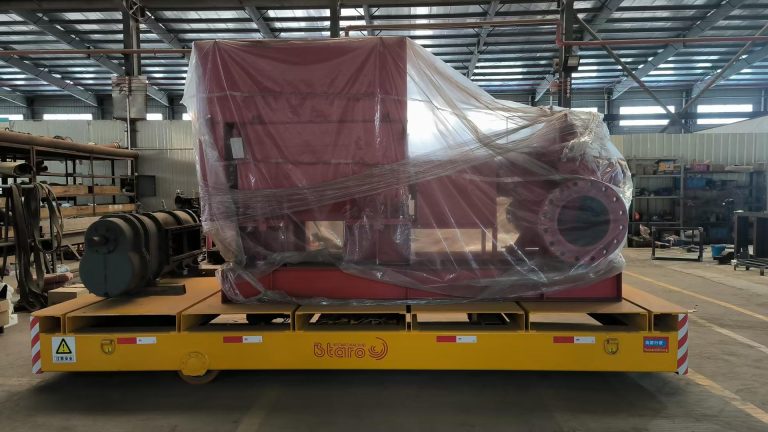
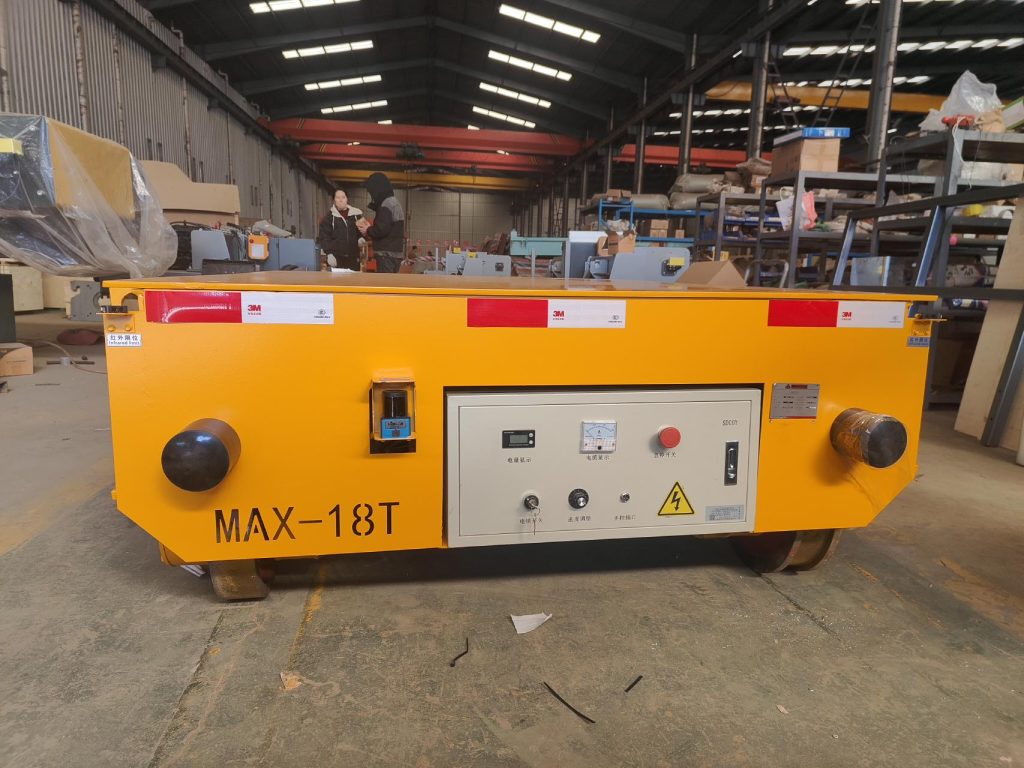
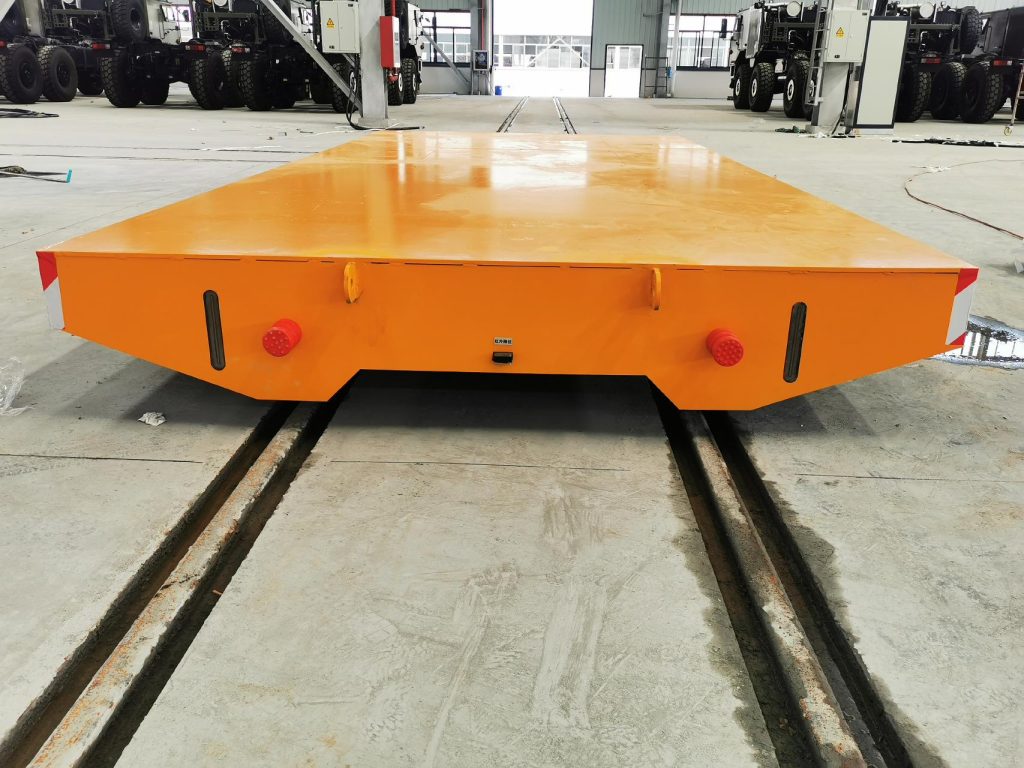
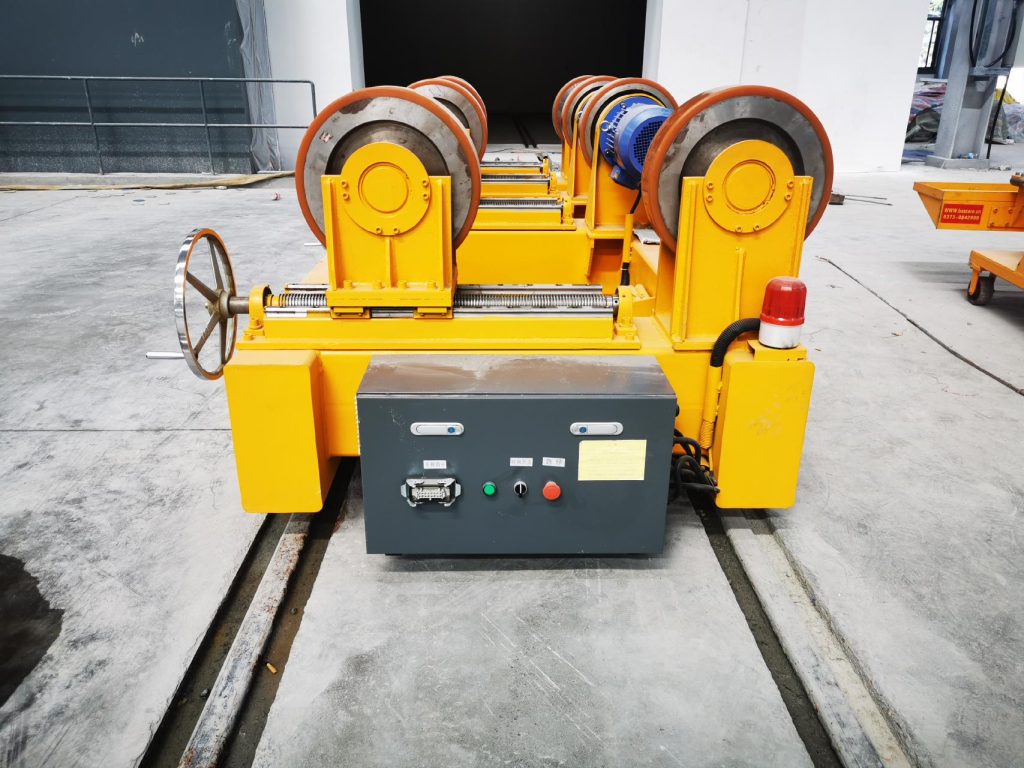
An electric transfer cart comprises several integrated systems working together seamlessly. First, the power delivery system supplies electrical energy continuously. This includes batteries, cable reels, or conductive rail collectors. Additionally, the drive system converts electrical power into mechanical motion. Motors, gearboxes, and wheel assemblies enable cart movement effectively. Furthermore, control systems manage speed, direction, and safety functions precisely. These include contactors, controllers, and operator interfaces. Finally, structural components support loads and protect electrical systems. Understanding these subsystems helps identify problem sources quickly.
Common Failure Mode Statistics
Electric transfer cart failures typically manifest in predictable patterns. Power-related issues represent approximately 35% of service calls. These include dead batteries, cable damage, and connection failures. Moreover, drive system problems account for 28% of breakdowns. Motor failures, gearbox issues, and wheel wear fall into this category. Additionally, control system malfunctions cause 22% of service requests. Sensor failures, controller defects, and wiring problems occur frequently. Furthermore, structural and mechanical issues comprise 15% of problems. Understanding these failure statistics helps prioritize diagnostic approaches effectively.
Preventive Maintenance Impact on Reliability
Proper preventive maintenance significantly reduces electric transfer cart failures. Statistics from industrial facilities show compelling results. Facilities following manufacturer maintenance schedules experience 65% fewer breakdowns. Additionally, component life extends 40-60% with regular service. Moreover, maintenance costs decrease 45% compared to reactive repair approaches. A steel mill in Ohio implemented comprehensive preventive maintenance programs. Consequently, their fleet availability increased from 82% to 96%. Furthermore, annual maintenance costs decreased from $48,000 to $28,000. This represents a 42% cost reduction while improving reliability. Therefore, preventive maintenance proves essential for reliable operations.
Power System Troubleshooting
Battery Power Complete Failure
Initial Voltage Diagnostics
Battery-powered electric transfer cart systems experiencing complete power failure require systematic diagnosis. First, verify battery voltage using a digital multimeter. Fully charged lead-acid batteries should measure 12.6-12.8V per cell (approximately 50-51V for 48V systems). Similarly, lithium-ion systems should read within 95-100% of rated voltage. If voltage reads below 80% of nominal, charging system failure or battery degradation exists. Subsequently, perform individual cell testing to identify failed components.
Michigan Manufacturing Plant Battery Case
A manufacturing facility in Michigan experienced repeated cart failures recently. Their 15-ton electric transfer cart would not start after overnight parking. Initial inspection showed battery voltage at 38V on a 48V system. This indicated severe discharge or cell failure conditions. Technicians performed individual cell voltage checks systematically. They discovered three cells reading below 10V while others measured 12.5V. This voltage imbalance indicated failed cells requiring battery replacement immediately.
Identifying Secondary System Failures
Subsequently, they installed a new lithium-ion battery pack costing $8,200. However, problems continued after two weeks of operation. Further investigation revealed the charger output measured only 52V instead of required 58.8V for lithium systems. The defective charger prevented full battery charging cycles. Replacing the charger for $1,850 resolved all issues completely. Total repair cost reached $10,050 including parts and labor. Nevertheless, the cart achieved 99.2% availability over the following year.
Battery Gradual Power Loss
Connection and Terminal Inspection
Gradual power loss during operation indicates different failure modes. First, check for loose or corroded connections at battery terminals. Connection resistance above 0.5 milliohms creates voltage drop. Clean terminals thoroughly using wire brush and anti-corrosion spray. Additionally, verify all cable connections remain tight. Loose connections heat during operation causing further degradation.
Load Testing Procedures
Next, examine battery capacity through comprehensive load testing. A healthy battery maintains voltage above 80% of nominal under rated load. For instance, a 48V battery should stay above 38.4V during full-load operation. If voltage drops below this threshold, battery capacity has degraded significantly. Lead-acid batteries typically decline after 500-800 cycles. Meanwhile, lithium-ion batteries maintain capacity for 1,500-2,000 cycles.
Automotive Warehouse Runtime Case
An automotive parts warehouse experienced progressive electric transfer cart runtime reduction. Initially, their 10-ton cart operated 8 hours per charge. After 18 months, runtime decreased to 4.5 hours unexpectedly. Battery voltage measurements showed normal readings at rest (50.8V). However, under load, voltage dropped to 35V within 15 minutes. This indicated internal resistance increase from aging components. Battery replacement cost $4,200 for lead-acid system. Alternatively, lithium-ion upgrade cost $8,900 with extended benefits. The facility chose lithium for extended service life. Consequently, they achieved 10-hour runtime and 8-year projected battery life.
Charging System Failures
Input Power Verification
Charging system problems prevent proper battery replenishment. First, verify charger input power at connection points. Check facility voltage at charger connection point. Three-phase systems should measure balanced voltages within 2% across all phases. Voltage imbalance indicates electrical system problems requiring facility electrician attention. Additionally, verify charger circuit breakers remain closed. Tripped breakers suggest overload conditions or short circuits.
Output Measurement and Testing
Next, measure charger output voltage and current accurately. Output voltage should match battery system requirements precisely. For example, 48V lead-acid systems need 58.4V charging voltage (2.43V per cell × 24 cells). Lithium systems require specific charging profiles from battery management systems. If charger output proves incorrect, internal components may have failed. Rectifier diodes, transformers, or control circuits commonly fail.
Food Processing Voltage Fluctuation Case
A food processing facility experienced mysterious battery failures across their electric transfer cart fleet. All four carts required battery replacement within three months. Investigation revealed facility voltage fluctuations during peak production. Voltage varied from 440V to 490V (480V nominal system). These fluctuations damaged charger rectifiers progressively. Installing voltage regulators cost $3,200 per charger ($12,800 total). However, battery life extended from 2.5 years to projected 5+ years. Annual battery replacement costs decreased from $28,000 to $11,000. Therefore, voltage regulation proved cost-effective investment.
Cable Reel Power Systems
Conductor Damage Inspection
Systems using cable reel power delivery experience unique operational challenges. Physical damage to conductors represents the most frequent problem. Visual inspection often reveals frayed insulation, crushed conductors, or broken wires. These occur from improper winding, sharp edges, or excessive tension. Replace damaged cables immediately to prevent failures. A 150-meter cable costs $2,400-$3,800 depending on conductor count.
Slip Ring Maintenance Requirements
Additionally, cable reel mechanical failures interrupt power delivery. Slip ring assemblies transfer power from stationary supply to rotating drum. Carbon brushes wear gradually requiring replacement every 2-3 years. Worn brushes create intermittent connections causing power loss. Brush replacement costs $180-$320 per set including labor. Furthermore, rewind spring mechanisms can break under heavy use. Spring replacement requires $600-$1,200 including labor costs.
Aerospace Cable System Failure Case
An aerospace manufacturer experienced frequent power interruptions on their 40-ton electric transfer cart. The system used 180-meter cable reel for wing section transport. Initially, operators reported momentary power loss during travel. Frequency increased from weekly to daily occurrences progressively. Inspection revealed severely worn slip ring brushes. Contact surfaces showed deep grooves from extended use. Additionally, cable insulation exhibited cracking from age. Total repair included new brush set ($280), slip ring resurfacing ($450), and complete cable replacement ($4,200). Total repair cost reached $4,930 for all components. Subsequently, the cart operated reliably for 32 months without power issues.
Rail Power Collection Systems
Collector Shoe Wear Patterns
Rail-powered electric transfer cart systems use collector shoes contacting conductive rails. Collector wear represents normal operation requiring periodic replacement. Shoes typically last 8-12 months depending on usage intensity. Worn collectors create poor contact causing voltage drop and arcing. This damages both shoes and rails progressively. Replace collectors when carbon contact area decreases below 60% of original.
Rail Contamination Issues
Rail contamination also causes collection problems significantly. Oil, dust, or oxidation on rail surfaces increases contact resistance. Clean rails monthly using wire brush or specialized rail cleaning cart. Additionally, verify proper collector pressure settings. Insufficient pressure causes intermittent contact issues. Excessive pressure accelerates wear patterns. Manufacturer specifications typically require 15-25 pounds pressure per collector.
Steel Mill Rail Maintenance Case
A steel mill operating four 80-ton electric transfer carts experienced intermittent power loss. The 300-meter rail system served slab transport operations. Problems occurred mainly in one 40-meter section. Inspection revealed heavy oxidation on rails in this area. Additionally, collector shoes showed uneven wear patterns. The mill implemented weekly rail cleaning procedures. They installed automated wire brush cleaners on each cart. These cleaned rails continuously during travel operations. Consequently, power collection reliability improved from 87% to 99.4%. Collector shoe life extended from 6 months to 11 months. Annual maintenance costs decreased $8,400 across the fleet.
Motor and Drive System Diagnostics
Motor Overheating Problems
Root Cause Identification
Electric transfer cart motor overheating indicates various underlying problems. First, verify motor current draw using clamp-on ammeter. Compare readings against motor nameplate ratings carefully. Current exceeding nameplate by 10% or more indicates overload conditions. This may result from excessive load weight, mechanical binding, or voltage problems. Additionally, measure motor winding temperature using infrared thermometer. Temperatures exceeding 80°C (176°F) on motor housing indicate internal overheating.
Cooling System Evaluation
Restricted cooling airflow commonly causes motor overheating. Blocked cooling fins or failed cooling fans reduce heat dissipation. Clean motor exterior thoroughly removing accumulated dust and debris. Additionally, verify cooling fan operation on force-cooled motors. Fan motor failure requires immediate replacement preventing catastrophic motor damage. Fan motor replacement costs $180-$420 depending on size.
Alignment and Mounting Checks
Furthermore, check motor mounting and alignment carefully. Misaligned motors experience increased bearing loads causing heat generation. Excessive vibration indicates misalignment or bearing wear. Use dial indicator to verify shaft alignment within manufacturer specifications (typically ±0.002 inch). Bearing replacement costs $300-$800 per motor including labor.
Metal Fabrication Shop Motor Case
A metal fabrication shop experienced repeated motor failures on their 20-ton electric transfer cart. Motors lasted only 8-12 months versus expected 5-7 year life. Investigation revealed motors covered in metal dust from grinding operations. This blocked cooling fins reducing heat dissipation significantly. Additionally, motor mounting bolts had loosened from vibration. This created misalignment increasing bearing loads dramatically. The facility implemented monthly motor cleaning schedules. Additionally, they installed protective covers over motors. Subsequently, motor life extended beyond 4 years without failures. Maintenance cost decreased from $4,800 annually to under $800.
Motor Starting Failures
Power Supply Verification
Motor starting problems prevent electric transfer cart movement. First, verify power reaches motor terminals during start attempts. Measure voltage at motor connection points during start attempt. Voltage should equal system nominal (typically 380V or 480V three-phase). If voltage reads significantly lower, supply circuit problems exist. Check main disconnect, circuit breakers, and contactors for proper operation.
Contactor Testing Procedures
Next, examine motor contactors for proper operation. These heavy-duty relays connect motor to power supply. Listen for audible “click” when start button activates. Absence indicates coil failure or control circuit problems. Measure coil voltage during activation carefully. Coil should receive rated voltage (typically 24V DC, 110V AC, or 220V AC). If coil voltage proves correct but contactor doesn’t close, replace contactor. Heavy-duty contactors cost $180-$450 depending on current rating.
Overload Protection Settings
Additionally, verify thermal overload relay settings carefully. These devices protect motors from overheating by interrupting power. Overloads may trip during normal starting on heavily loaded systems. Reset overload and attempt restart procedures. If overload trips immediately, motor internal short or bearing seizure exists. Check motor shaft rotation by hand carefully. Shaft should rotate freely without resistance. Difficult rotation indicates mechanical binding requiring immediate attention.
Automotive Parts Manufacturer Case
An automotive parts manufacturer experienced frustrating intermittent failures on their 15-ton electric transfer cart. The system would operate normally for hours. Then suddenly refuse to start without warning. After 15-30 minutes, operation resumed normally again. This pattern repeated several times daily disrupting production. Technicians eventually discovered thermal overload settings incorrect for motor specifications. The overload was set at 24A while motor drew 28A during normal starting. Heat accumulation eventually tripped protection mechanisms. Resetting overload to 32A (proper setting) eliminated all problems. This simple adjustment cost only technician time ($85) versus potential motor replacement ($3,200).
Gearbox Mechanical Failures
Warning Sign Recognition
Gearbox failures significantly impact electric transfer cart operation. Unusual noise indicates developing problems requiring immediate attention. Grinding sounds suggest gear tooth damage. Whining noises indicate bearing wear patterns. Additionally, check for excessive vibration during operation. Vibration amplitude exceeding 0.2 inches per second indicates serious mechanical problems.
Lubricant Condition Analysis
Lubricant condition reveals gearbox health accurately. Check oil level monthly and change oil annually. Dark, contaminated oil indicates wear progression. Metal particles in oil confirm internal damage. Send oil samples for laboratory analysis if contamination suspected. Analysis costs $45-$85 but prevents catastrophic failures. Gearbox oil changes cost $120-$280 including premium synthetic lubricant.
Seal and Mounting Security
Gearbox seal leaks allow lubricant escape and contamination entry. Small leaks progressively worsen causing eventual failure. Replace leaking seals promptly to prevent damage. Seal replacement costs $200-$450 depending on accessibility. Furthermore, verify gearbox mounting security regularly. Loose mounting creates misalignment and bearing damage. Torque all mounting bolts to specification.
Warehouse Catastrophic Failure Case
A warehouse operation ignored increasing noise from their 12-ton electric transfer cart gearbox. Operators reported progressively louder grinding sounds. Maintenance deferred inspection due to production demands. Eventually, the gearbox failed catastrophically during operation. Internal gear teeth shattered spreading metal fragments throughout housing. Complete gearbox replacement cost $4,800 including 3-day expedited delivery. Additionally, 72-hour downtime cost approximately $18,000 in lost productivity. Subsequent oil analysis from failed unit showed severe contamination visible months earlier. Prompt seal replacement would have cost $280 preventing $22,800 total failure cost.
Wheel Bearing Issues
Early Warning Detection
Wheel bearing failures create serious safety hazards. Warning signs include unusual noise, excessive heat, or visible wheel wobble. Check wheel temperature after extended operation. Temperatures exceeding 60°C (140°F) indicate bearing problems. Additionally, grasp wheel attempting lateral movement. Any perceptible play indicates bearing wear requiring immediate replacement.
Lubrication Best Practices
Proper lubrication prevents premature bearing failure. Sealed bearings require no maintenance but limited service life (typically 8,000-12,000 operating hours). Repackable bearings need lubrication every 500-800 operating hours. Use manufacturer-specified grease only. Mixing incompatible greases causes breakdown reducing lubrication effectiveness. Over-greasing proves equally harmful. Excess grease generates heat and pressure potentially rupturing seals.
Alignment Requirements
Wheel alignment significantly impacts bearing life. Misaligned wheels create side loading dramatically reducing bearing life. Measure wheel alignment quarterly using specialized equipment. Alignment should remain within ±1mm over wheel base length. Adjustment typically costs $180-$320 per cart.
Chemical Plant Bearing Case
A chemical plant experienced frequent wheel bearing failures on their explosion-proof electric transfer cart. Bearings lasted only 4-6 months versus expected 24-36 months. Investigation revealed several contributing issues. First, operators frequently washed carts with high-pressure water. Water intrusion contaminated bearings despite seals. Additionally, wheels exhibited significant misalignment from minor collision damage. The facility implemented several corrective changes. They switched to pressure-rated sealed bearings ($380 premium per wheel). Additionally, they prohibited high-pressure washing near wheel assemblies. Furthermore, they performed alignment checks after any impact. Subsequently, bearing life extended beyond 30 months. Annual bearing costs decreased from $7,200 to $1,800.
Control System Troubleshooting
Radio Remote Control Issues
Communication Failure Diagnosis
Radio remote controlled electric transfer cart systems experience occasional communication issues. Complete loss of control requires systematic diagnosis. First, verify transmitter battery condition carefully. Replace batteries annually regardless of apparent function. Weak batteries create intermittent operation problems. Quality batteries cost $8-$15 for typical remote controls.
Antenna System Verification
Next, check receiver antenna condition and position. Damaged antennas significantly reduce range capabilities. Additionally, metal obstructions block radio signals effectively. Ensure receiver antenna extends above cart structure with clear line-of-sight to operator. Antenna replacement costs $45-$120 depending on frequency and type.
Frequency Settings
Furthermore, verify radio frequency settings match between transmitter and receiver. Multiple cart operations require unique frequencies preventing cross-control. Frequency changes require qualified technician following proper programming procedures. Improper frequency selection may interfere with other facility equipment or violate FCC regulations.
Environmental Interference
Environmental interference disrupts radio communications. Large motors, VFDs, and welding equipment generate electromagnetic noise. This noise interferes with radio signals reducing effective range. Install receiver away from high-interference sources. Additionally, consider upgrading to frequency-hopping spread spectrum (FHSS) systems. These provide superior interference resistance. FHSS system upgrades cost $800-$1,600 but dramatically improve reliability.
Pharmaceutical WiFi Interference Case
A pharmaceutical manufacturer experienced intermittent control loss on their cleanroom electric transfer cart. The 8-ton system transported raw materials through production areas. Control loss occurred randomly creating safety concerns. Extensive investigation identified WiFi access point operating on 2.4GHz frequency. The cart’s radio remote also used 2.4GHz frequency. During high network traffic, interference disrupted cart control. Switching cart remote to 5.8GHz eliminated all interference. Frequency conversion cost $680 for new transmitter and receiver modules. Subsequently, the cart operated with 99.9% control reliability over 18 months.
Emergency Stop System Malfunctions
Button Function Testing
Emergency stop systems provide critical safety protection. Malfunctioning e-stops create serious hazards requiring immediate repair. First, verify all e-stop buttons activate properly. Press each button confirming positive engagement and audible click. Buttons should remain latched until manually reset. Sticky or sluggish buttons indicate contamination or mechanical wear. Replace defective e-stop buttons immediately. Heavy-duty industrial e-stop buttons cost $35-$75 each.
Circuit Continuity Verification
Next, verify e-stop circuit continuity properly. Emergency stop circuits typically use normally-closed contacts. Activating any e-stop button opens circuit interrupting power. Use multimeter checking continuity through e-stop circuit with all buttons released. Reading should show near-zero resistance. Activating any button should create open circuit (infinite resistance). If circuit shows unexpected behavior, trace wiring identifying damage.
Safety Relay Testing
Additionally, examine safety relay functionality carefully. These specialized relays monitor e-stop circuits providing redundant safety. Safety relays verify proper operation before allowing cart movement. Internal faults prevent proper operation entirely. Replace failed safety relays immediately. Industrial safety relays cost $180-$450 depending on complexity.
Food Processing False Activation Case
A food processing facility experienced nuisance e-stop activation on their electric transfer cart fleet. Multiple daily false stops disrupted operations significantly. Investigation discovered facility cleaning procedures used excessive water. Water infiltrated e-stop pushbuttons causing corrosion and false activation. The facility installed waterproof e-stop buttons with IP67 ratings. These cost $95 each versus $45 for standard buttons. Additionally, they modified cleaning procedures minimizing water exposure. Subsequently, false e-stop activations decreased from 8-12 daily to less than one monthly. Production efficiency improved saving approximately $2,400 monthly.
Variable Frequency Drive Problems
Fault Code Analysis
Variable frequency drives (VFDs) control modern electric transfer cart speed. VFD failures prevent operation or create erratic behavior. First, check VFD display for fault codes. Modern drives store fault history showing recent problems. Consult manufacturer manual decoding fault information. Common faults include overcurrent, overvoltage, undervoltage, and overtemperature conditions.
Overcurrent Diagnostics
Overcurrent faults typically indicate motor overload or mechanical binding. Verify cart moves freely without obstruction. Additionally, check motor current draw under no-load conditions. Excessive no-load current suggests motor winding problems. Motor megger testing identifies insulation breakdown. Professional motor testing costs $120-$280.
Temperature Management
Overtemperature faults result from inadequate cooling or excessive ambient temperature. Verify cooling fan operation immediately. Clean VFD heat sinks removing accumulated dust. Blocked heat sinks dramatically reduce cooling efficiency. Additionally, ensure adequate ventilation around electrical cabinet. VFD ambient temperature should remain below 40°C (104°F).
Programming Parameters
Furthermore, verify proper VFD programming parameters. Incorrect settings cause operational problems. Critical parameters include motor nameplate data (voltage, current, frequency, speed), acceleration and deceleration times, and current limiting values. Improper programming creates premature component failure. Professional VFD programming costs $280-$450 but ensures proper operation.
Metal Stamping VFD Failure Case
A metal stamping facility experienced repeated VFD failures on their 25-ton electric transfer cart. VFDs lasted only 6-9 months versus expected 7-10 year life. Investigation revealed electrical cabinet mounted low on cart frame. This position exposed VFD to severe dust and debris contamination. Additionally, cabinet ventilation proved inadequate. Internal temperature exceeded 55°C during summer operation. The facility relocated electrical cabinet to elevated position. They installed filtered cooling fans and sealed cable entries. VFD replacement cost $2,400 initially. However, subsequent unit operated 42 months without failure. Annual VFD costs decreased from $3,200 to under $600.
Safety System Diagnostics
Obstacle Detection Sensors
Cleaning and Maintenance
Modern electric transfer cart systems increasingly incorporate safety sensors. Ultrasonic, laser, and infrared sensors detect obstacles preventing collisions. Sensor failures create safety hazards or nuisance stops. First, clean sensor lenses removing dirt and debris. Contaminated lenses reduce detection range or cause false readings. Use manufacturer-approved cleaning solutions. Harsh chemicals damage sensor optics.
Alignment Verification
Next, verify sensor alignment and mounting security. Sensors must point in intended direction without obstruction. Loose mounting creates misalignment reducing effectiveness. Additionally, check sensor detection range using test object. Response distance should match specification (typically 0.5-3 meters). Reduced range indicates sensor degradation.
Wiring Inspection
Furthermore, examine sensor wiring and connections. Damaged cables or loose connections create intermittent operation. Verify proper voltage at sensor terminals. Most sensors operate on 24V DC power. Incorrect voltage causes malfunction. Replace damaged sensors promptly. Industrial safety sensors cost $180-$650 depending on technology.
Logistics Laser Scanner Case
A logistics company implemented laser safety scanners on their electric transfer cart fleet. These prevented collisions in busy warehouse environment. However, frequent false stops frustrated operators. Investigation revealed forklift operations created airborne dust. This dust interfered with laser sensors triggering false detections. Installing protective air curtains around sensors reduced false stops 85%. Air curtain systems cost $320 per cart. Additionally, implementing monthly sensor cleaning eliminated remaining issues. Collision incidents decreased from 12 annually to zero over 24-month period. Workers compensation claims dropped saving $48,000 annually.
Warning Lights and Horns
Device Activation Testing
Warning devices alert personnel to electric transfer cart movement. Malfunctioning lights or horns create serious safety hazards. First, verify warning device activation. Lights should illuminate and horns sound when cart activates. Failure indicates power supply, relay, or device problems. Check voltage at device terminals during activation. Absence indicates relay or wiring failure. Presence suggests device failure requiring replacement.
LED Light Systems
LED warning lights offer superior reliability versus incandescent bulbs. However, complete LED assembly failure occasionally occurs. Individual LED replacement proves impractical. Replace entire light assembly instead. Industrial LED beacons cost $45-$180 depending on brightness and features. Additionally, verify light lens clarity. Yellowed or cracked lenses reduce visibility requiring replacement.
Horn Selection Criteria
Horn failures typically result from coil burnout or diaphragm damage. Industrial horns cost $35-$120 depending on volume output. Verify proper horn selection carefully. Noisy facilities require higher output horns ensuring audibility. OSHA requires warning devices audible above ambient noise levels. Sound level measurements confirm compliance.
Manufacturing Safety Incident Case
A manufacturing facility experienced safety incident when electric transfer cart struck pedestrian. Investigation revealed warning lights inoperative for several days. Additionally, horn output proved barely audible above production noise. Facility implemented weekly warning device inspections. They upgraded to 120-decibel horns (versus original 90-decibel units). Additionally, they installed flashing LED light bars on all four cart corners. Total upgrade cost $680 per cart across five-cart fleet ($3,400). However, subsequent safety record showed zero pedestrian incidents over 36 months. Insurance premium reductions of $2,200 annually offset upgrade costs within 18 months.
Systematic Diagnostic Approach
Failure Pattern Documentation
Service Log Maintenance
Effective troubleshooting requires systematic documentation. Maintain detailed service logs recording all issues and repairs. This creates failure pattern database revealing recurring problems. For instance, a facility might notice wheel bearing failures concentrated on specific carts. This indicates unique operational conditions requiring investigation.
Digital Systems Implementation
Digital maintenance management systems facilitate pattern recognition. These systems track failure frequency, repair costs, and downtime hours. Modern CMMS platforms cost $50-$150 per equipment asset annually. However, data-driven maintenance decisions significantly reduce costs. Facilities using CMMS report 30-40% maintenance cost reduction.
Operator Reporting Programs
Additionally, implement operator reporting systems. Operators notice early warning signs before failures occur. Unusual noises, smells, or behaviors indicate developing problems. Prompt reporting enables preventive action. Create simple reporting forms documenting observations. Reward operators for reporting preventing major failures.
Steel Mill Pattern Analysis Case
A steel mill implemented comprehensive failure tracking for their electric transfer cart fleet. Analysis revealed specific patterns emerging. Battery failures concentrated in summer months. Motor problems increased during high-production periods. Wheel bearing failures occurred mainly on carts serving specific areas. These insights guided targeted improvements. Temperature-controlled battery charging prevented summer failures. Motor protection upgrades handled high-production demands. Improved wheel alignment procedures addressed bearing problems. Overall fleet reliability increased from 88% to 97%. Annual maintenance costs decreased from $186,000 to $124,000.
Root Cause Analysis Methodologies
5-Why Analysis Technique
Effective troubleshooting identifies root causes rather than treating symptoms. For example, repeatedly replacing failed bearings proves futile if misalignment causes premature wear. Implement formal root cause analysis (RCA) for recurring failures. Several methodologies exist including 5-Why analysis, fishbone diagrams, and fault tree analysis. 5-Why analysis asks “why” iteratively identifying underlying causes. For instance, consider a motor failure scenario:
- Why did the motor fail? – Due to overheating
- Why was it overheating? – Blocked cooling fins restricted airflow
- Why were the fins blocked? – Excessive dust accumulation
- Why was there excessive dust? – Lack of protective covers
- Why were there no protective covers? – Cost reduction measure during procurement
This systematic approach reveals the purchasing decision as root cause rather than maintenance deficiency. Consequently, effective solutions address procurement policies rather than simply replacing failed motors.
Fishbone Diagram Application
Fishbone diagrams organize potential causes into categories. These typically include equipment, methods, materials, environment, and people. Teams brainstorm possible causes populating diagram branches. This structured approach prevents overlooking contributing factors.
Supplier Technical Support
Furthermore, engage suppliers in troubleshooting persistent problems. Manufacturers possess extensive experience across multiple installations. They identify issues invisible to individual facilities. Most manufacturers provide technical support at no charge for equipment under warranty. Even outside warranty, supplier expertise often proves invaluable.
Need Expert Technical Support for Your Electric Transfer Cart?
Contact our experienced service team for comprehensive troubleshooting assistance. Our engineers provide remote diagnostics via video calls. Additionally, we offer on-site service for complex repairs. Moreover, we maintain extensive spare parts inventory ensuring rapid resolution.
Contact Information:
- Technical Support: +86-15225185279
- Email: [email protected]
- Service Coverage: Global support in 60+ countries
Safety Disclaimer: This troubleshooting guide provides general information for educational purposes. All repairs must be performed by qualified technicians following manufacturer procedures and safety standards. Electric transfer cart systems contain hazardous voltages and moving components. Improper repair attempts may cause serious injury or death. Always disconnect power, lock out equipment, and verify zero energy state before maintenance. Consult qualified electricians for electrical system work. Follow OSHA 29 CFR 1910.147 lockout/tagout procedures. Maintain compliance with NFPA 70E electrical safety standards.
Technical Disclaimer: Specific troubleshooting procedures vary by manufacturer, model, and configuration. Always consult equipment-specific service manuals before attempting repairs. This guide provides general diagnostic approaches. Actual procedures may differ significantly. Incorrect diagnosis or repair may cause further damage or safety hazards. When in doubt, contact manufacturer technical support or qualified service providers.
External Resources: