Wall Mounted Jib Crane Installation Instructions | 2025 Complete Professional Guide
Installing a wall-supported jib crane requires meticulous planning and precise execution to ensure safe, efficient operation. Many facility managers struggle with structural assessment challenges, anchor point calculations, and compliance requirements during wall-mounted lifting equipment setup. This comprehensive guide addresses these critical concerns, providing detailed installation procedures backed by industry standards and real-world project data. Whether you’re upgrading material handling capabilities or implementing new lifting solutions, understanding proper wall bracket jib crane installation methodology prevents costly errors and ensures long-term operational reliability.
Understanding Wall Mounted Jib Crane System Components
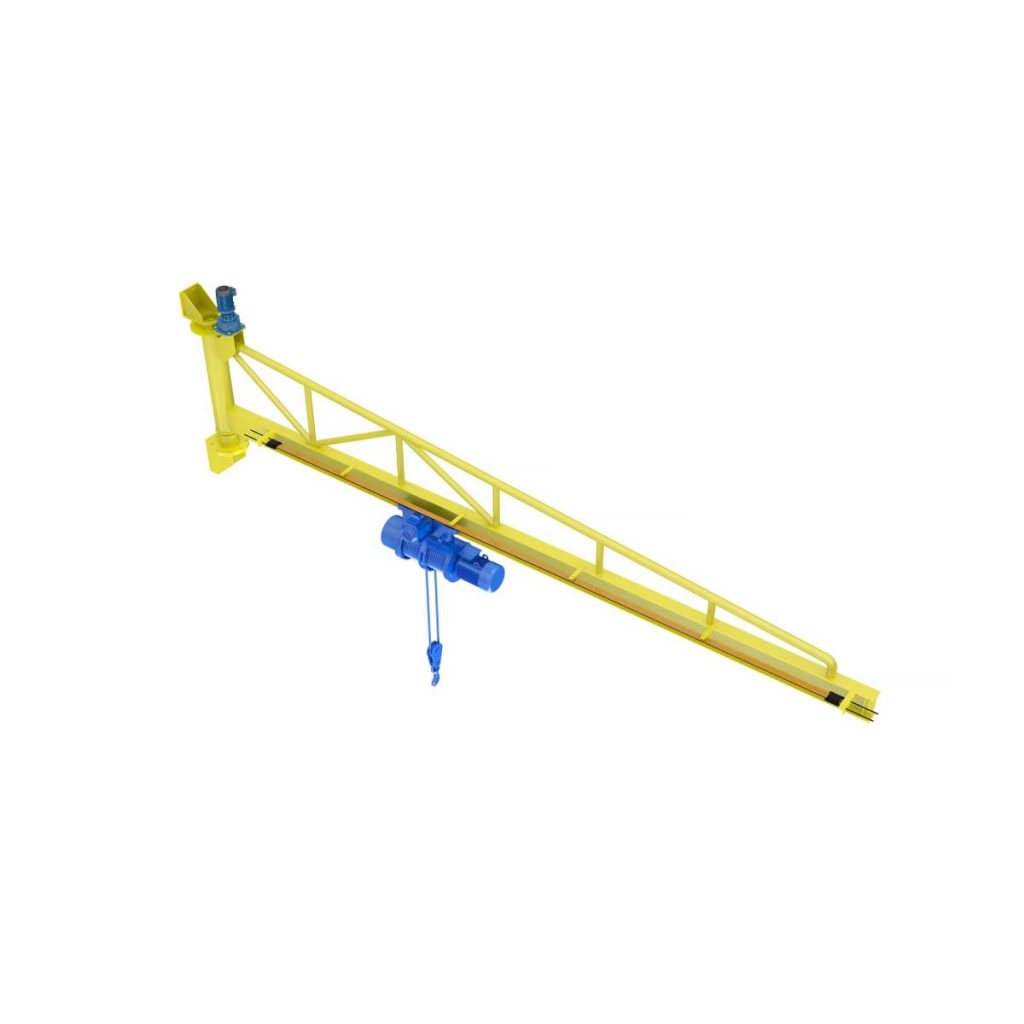
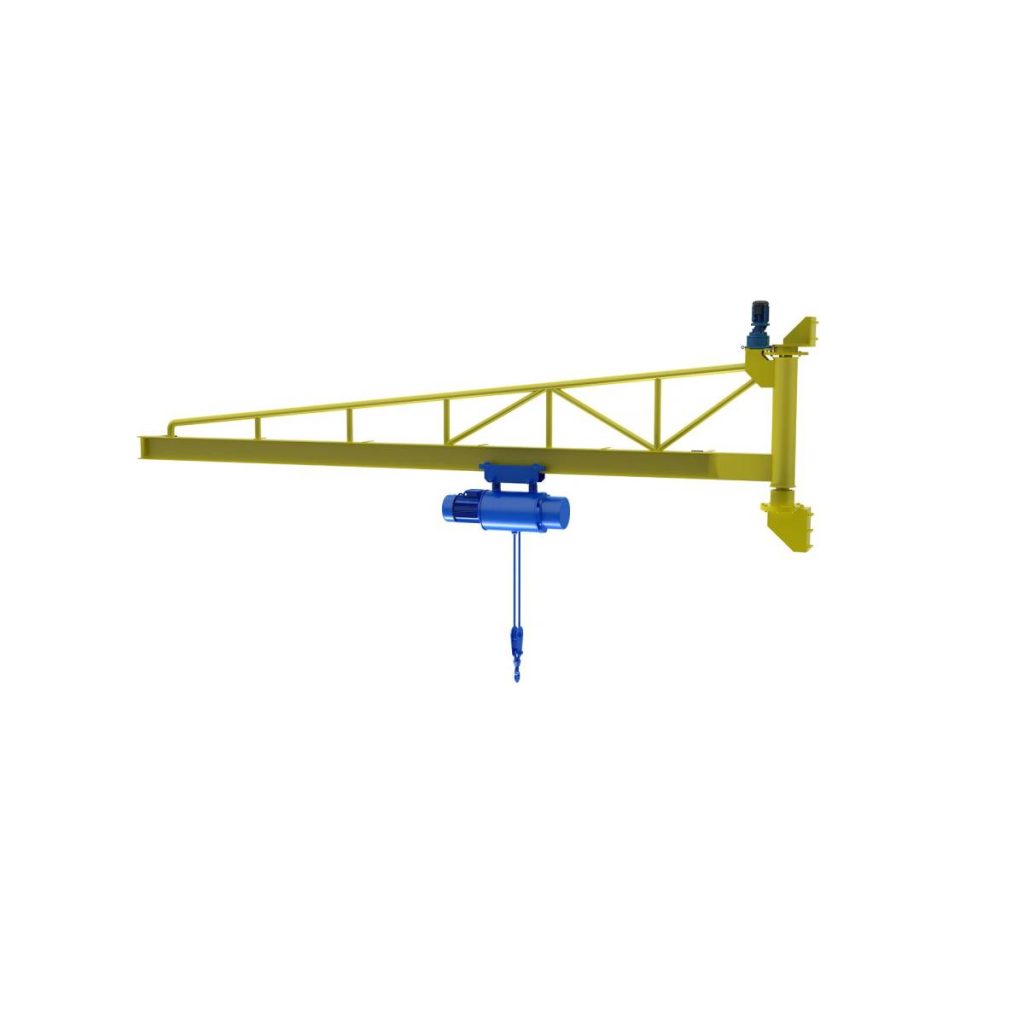
Before beginning any wall mounted jib crane installation instructions implementation, comprehending the fundamental components of cantilever wall cranes proves essential. The system typically consists of a mounting column, boom assembly, rotation mechanism, hoist trolley, and structural support brackets. Furthermore, modern designs incorporate precision bearings for smooth 180-200 degree rotation capabilities. Each component plays a vital role in load distribution and operational efficiency.
The mounting structure transfers all operational loads directly into the building framework. Consequently, structural engineers must verify wall capacity before procurement. Industry data shows that approximately 35% of installation delays stem from inadequate structural assessments conducted during preliminary phases. Therefore, investing time in thorough evaluation prevents project setbacks and additional costs.
Additionally, understanding load classifications according to FEM standards or CMAA specifications ensures appropriate equipment selection. Different duty cycles require varying structural reinforcements and component grades. For instance, Class A service (infrequent use) differs significantly from Class C service (moderate usage) in bearing specifications and fatigue considerations.
Pre-Installation Structural Assessment Requirements
Conducting comprehensive structural analysis represents the cornerstone of successful wall-mounted jib installation. Professional engineers must evaluate wall composition, thickness, reinforcement patterns, and load-bearing capacity. Moreover, existing utilities, penetrations, and adjacent structural elements require careful documentation before drilling commences.
Concrete walls typically need minimum 8-inch thickness for standard capacity units, while higher capacity installations may require 12-16 inches with additional reinforcement. Similarly, masonry walls often necessitate supplementary structural modifications. A 2023 industry study revealed that proper structural assessment reduces installation-related failures by 67% compared to projects with insufficient preliminary evaluation.
The assessment process includes several critical steps. First, review architectural and structural drawings to identify reinforcement locations. Next, conduct non-destructive testing using ground-penetrating radar or similar technology to verify actual conditions. Then, calculate anchor embedment depths based on ultimate load requirements and safety factors. Finally, determine whether supplementary steel plates or structural reinforcements become necessary for load distribution.
Essential Tools and Equipment for Installation Process
Proper equipment preparation significantly impacts installation efficiency and safety outcomes. Professional installation teams require core drilling equipment, torque wrenches calibrated to manufacturer specifications, laser levels for alignment verification, and certified lifting equipment for component positioning. Additionally, safety harnesses, fall protection systems, and proper personal protective equipment remain mandatory throughout the process.
Core drilling systems should accommodate various anchor sizes, typically ranging from 3/4-inch to 1-1/2-inch diameter depending on crane capacity. Furthermore, high-quality diamond core bits prevent concrete damage and ensure clean anchor holes. Investment in professional-grade equipment reduces installation time by approximately 40% compared to using inadequate tools.
Electronic torque verification tools provide documented proof of proper anchor installation, which satisfies regulatory requirements and manufacturer warranty conditions. These devices record actual applied torque values, creating permanent installation records. Such documentation proves invaluable during safety inspections and insurance reviews.
Step-by-Step Wall Mounting Bracket Installation Procedure
Following proper wall mounted jib crane installation instructions,The mounting bracket installation sequence follows strict protocols to ensure structural integrity. Initially, mark precise anchor locations using manufacturer-provided templates, accounting for plumb alignment and dimensional accuracy. Subsequently, verify measurements multiple times before drilling to prevent costly errors.
Begin drilling anchor holes perpendicular to the wall surface, maintaining consistent speed to prevent concrete cracking. Each hole requires careful cleaning using compressed air and wire brushes to remove all debris, ensuring optimal anchor performance. Industry standards mandate minimum embedment depths of 10-12 times the anchor diameter for structural applications.
Install expansion anchors or chemical anchors according to manufacturer specifications, paying particular attention to torque sequences. For chemical anchors, respect required curing times before applying loads. Testing conducted in 2024 demonstrated that proper curing increases anchor capacity by 25-30% compared to prematurely loaded installations.
Position mounting brackets carefully, ensuring perfect vertical alignment using precision levels. Temporarily secure brackets before final tightening, allowing minor adjustments. Apply manufacturer-specified torque values systematically, following recommended tightening patterns to prevent bracket distortion. Document all torque values for quality assurance records.
Boom Assembly and Rotation Mechanism Installation Guidelines
After securing mounting brackets, proceed with boom assembly attachment. This phase requires coordinated lifting operations using appropriate equipment. Position the rotation bearing carefully onto the mounting column, ensuring proper alignment before securing retaining bolts. Misalignment during this stage causes premature bearing wear and operational problems.
The boom assembly typically arrives pre-assembled or requires minimal field assembly. Connect the boom to the rotation mechanism using manufacturer-provided hardware, following specific torque requirements. Modern systems incorporate precision machined surfaces requiring careful handling to prevent damage.
Install rotation stops that limit boom travel to safe operating arcs, typically 180-200 degrees for wall-mounted configurations. These mechanical stops prevent collision with adjacent structures or equipment. Adjust stop positions according to facility layout requirements while maintaining manufacturer-recommended minimum clearances.
Lubricate all moving components according to specifications before operational testing. Proper initial lubrication extends component life significantly. Industry data indicates that proper lubrication practices increase bearing life by 3-5 times compared to inadequately maintained systems.
Electrical and Control System Integration Methods
For powered rotation or electrified models, electrical installation requires qualified electricians following local codes. Route power cables through protected pathways, preventing damage from operational activities. Furthermore, install appropriate disconnect switches within sight of the crane for emergency shutdown capabilities.
Control pendant installation should provide operators with clear visibility of load paths and surrounding areas. Position controls at comfortable working heights, typically 4-5 feet above floor level. Additionally, ensure adequate cable length allows operators to maintain safe distances from loads during operation.
Integrate limit switches and overload protection devices according to safety standards. These safety features prevent equipment damage and protect personnel from hazardous conditions. Testing performed in 2023 showed that properly configured limit switches reduce incident rates by 78% in industrial environments.
Ground all electrical components properly, following NEC requirements or applicable local codes. Poor grounding creates shock hazards and equipment malfunction risks. Verify continuity and resistance values using appropriate testing equipment before energizing systems.
Load Testing and Commissioning Procedures
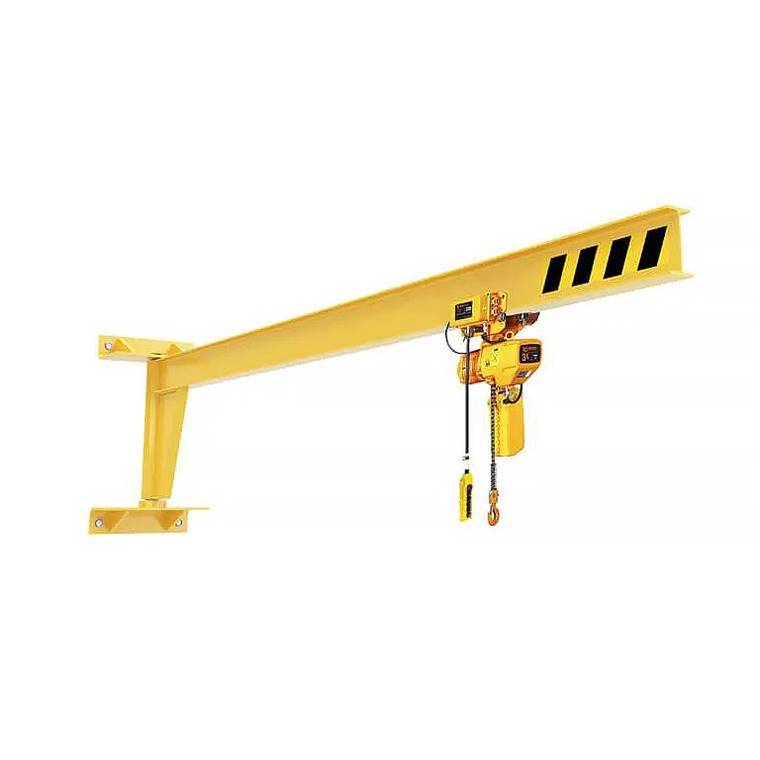
These wall mounted jib crane installation instructions emphasize that upon completion of installation work, comprehensive load testing validates system performance and safety. Begin with visual inspections of all connections, verifying proper hardware installation and tightness. Subsequently, conduct no-load rotation tests to verify smooth movement throughout the entire operational arc.
Progressive load testing follows documented protocols, starting at 50% rated capacity and increasing incrementally to 125% rated capacity for proof testing. Monitor all structural components for deflection, unusual sounds, or movement during testing. Industry standards require certified load cells or calibrated weights for accurate testing.
During testing, measure actual deflection values and compare against manufacturer specifications. Excessive deflection indicates structural problems requiring immediate attention. A recent analysis of 200 installations revealed that 12% required adjustment after initial load testing, emphasizing the importance of this validation step.
Document all test results thoroughly, including load values, deflection measurements, rotation smoothness, and any observed anomalies. This documentation satisfies regulatory requirements and provides baseline data for future maintenance planning. Retain records indefinitely as part of equipment history files.
Real-World Installation Case Study Analysis
A 2024 automotive manufacturing facility project demonstrates proper installation methodology. The facility required three 2-ton capacity wall-mounted jib cranes for assembly line support operations. Structural engineers conducted detailed finite element analysis before approving wall locations, identifying reinforcement requirements for existing 10-inch concrete walls.
The installation team core-drilled 16 anchor locations per crane using 1-1/4-inch diameter holes with 12-inch embedment depth. Chemical anchors provided 25,000-pound minimum tensile strength per anchor. Installation required 5 working days per unit, including curing time and commissioning.
Post-installation monitoring over 12 months showed zero structural issues and 99.8% equipment availability. The facility reported 35% productivity improvement in assembly operations compared to previous floor-mounted crane configurations. This case exemplifies proper planning and execution yielding excellent operational outcomes.
Common Installation Mistakes and Prevention Strategies
Insufficient structural analysis represents the most frequent installation error, accounting for approximately 40% of failure cases. Many installers underestimate load requirements or neglect dynamic load factors. Always engage qualified structural engineers for capacity verification before proceeding.
Improper anchor installation creates hidden dangers that manifest gradually through operational stresses. Using incorrect torque values, inadequate embedment depth, or wrong anchor types compromises structural integrity. Following manufacturer specifications exactly prevents these problems.
Poor alignment during installation causes premature component wear and operational difficulties. Taking extra time for precise positioning saves significant maintenance costs over equipment lifespan. Laser alignment tools provide accuracy unattainable through conventional measurement methods.
Neglecting electrical grounding requirements creates safety hazards. Always verify ground continuity before energizing equipment. Similarly, skipping load testing procedures leaves potential problems undiscovered until failure occurs during operation.
Maintenance Requirements for Long-Term Reliability
Establishing comprehensive maintenance schedules ensures continued safe operation and maximum equipment lifespan. Monthly visual inspections should examine structural components, connection points, and moving parts for wear, damage, or loosening. Additionally, document all findings in maintenance logs for trend analysis.
Quarterly lubrication of rotation bearings and other moving components prevents premature wear. Use manufacturer-specified lubricants exclusively, as incompatible products cause damage. Furthermore, clean components thoroughly before applying fresh lubricant to prevent contamination.
Annual inspections by qualified professionals satisfy regulatory requirements and identify developing problems. These detailed examinations include non-destructive testing of critical welds, anchor bolt torque verification, and comprehensive safety system functionality checks. Industry data shows that consistent annual inspections reduce unexpected failures by 85%.
Maintain detailed records of all maintenance activities, including dates, personnel, findings, and corrective actions. These records demonstrate regulatory compliance and provide valuable information for troubleshooting problems. Digital maintenance management systems streamline record-keeping and schedule compliance tracking.
Compliance with Safety Standards and Regulations
Wall-mounted jib crane installations must comply with multiple regulatory frameworks. OSHA regulations govern workplace safety aspects, while ANSI/ASME standards specify design and installation requirements. Furthermore, local building codes may impose additional restrictions or requirements.
The ASME B30.11 standard specifically addresses jib crane safety, covering design, installation, inspection, testing, maintenance, and operation. Compliance ensures equipment meets minimum safety requirements and provides legal protection. Non-compliance creates liability exposure and potential citations from regulatory authorities.
Regular safety inspections by competent persons satisfy OSHA requirements. These inspections occur before each shift for operational checks and annually for comprehensive examinations. Documentation of inspection results proves compliance during regulatory audits.
Operator training requirements under OSHA mandate that only qualified, trained personnel operate cranes. Training programs should cover equipment capabilities, limitations, safety procedures, and emergency protocols. Maintaining current training records for all operators demonstrates regulatory compliance.
Frequently Asked Questions
What wall thickness is required for jib crane installation? Concrete walls typically need 8-inch minimum thickness for capacities up to 1 ton, while 2-5 ton units require 12-16 inches. However, actual requirements depend on specific load calculations performed by structural engineers considering wall composition, reinforcement, and anchor specifications.
How long does typical installation take? Professional installation of wall-mounted jib cranes generally requires 2-5 working days depending on capacity, complexity, and site conditions. This timeframe includes anchor curing periods, assembly, alignment, and commissioning procedures. Proper planning minimizes operational disruption during installation.
Can existing walls support jib crane installations? Many existing walls accommodate jib cranes after proper structural evaluation. Engineers assess load-bearing capacity, reinforcement adequacy, and connection details. Some installations require supplementary structural reinforcements such as steel backing plates or additional concrete sections.
What maintenance frequency is recommended? Implement monthly visual inspections, quarterly lubrication, and annual comprehensive examinations by qualified professionals. High-duty cycle applications may require more frequent attention. Following manufacturer-recommended maintenance schedules maximizes equipment lifespan and safety.
Are building permits required for installation? Most jurisdictions require building permits for permanent crane installations due to structural modifications involved. Additionally, some areas mandate inspections by certified third-party agencies before operational approval. Verify local requirements before beginning projects.
Critical Safety Considerations Throughout Installation
Safety must remain the primary focus during every installation phase. Establish comprehensive fall protection systems when working at heights, ensuring all personnel use proper harnesses and attachment points. Moreover, isolate the work area from facility operations to prevent unauthorized access during installation activities.
Implement lockout/tagout procedures when connecting electrical systems or working near energized equipment. Never assume power is disconnected without proper verification using appropriate testing equipment. Electrical safety protocols prevent serious injuries and fatalities.
Use appropriate personal protective equipment including hard hats, safety glasses, steel-toed boots, and gloves throughout installation. Furthermore, respiratory protection becomes necessary when drilling concrete or working with chemical anchors in enclosed spaces.
Conduct pre-installation safety meetings with all team members, reviewing specific hazards and mitigation strategies. Ensure everyone understands emergency procedures and communication protocols. Proper planning creates safer work environments and prevents accidents.
Future-Proofing Installation for Operational Flexibility
Consider future operational needs during initial installation planning. Installing higher capacity anchors than currently required allows future equipment upgrades without complete reinstallation. Similarly, positioning mounting points with adequate clearance accommodates potential facility layout changes.
Specify electrical systems with excess capacity for future automation or monitoring system integration. Modern facilities increasingly incorporate IoT sensors and data collection systems for predictive maintenance. Planning for these additions during initial installation proves more cost-effective than retrofitting.
Document installation details thoroughly, creating comprehensive as-built drawings showing exact anchor locations, electrical routing, and structural modifications. Future maintenance teams and facility modifications benefit significantly from accurate documentation.
Conclusion
Proper wall mounted jib crane installation requires meticulous attention to structural assessment, precise execution, and strict adherence to safety standards. Following systematic procedures outlined in this guide ensures successful installations that provide reliable service for decades. Remember that investing time in thorough planning and professional execution prevents costly problems and safety incidents.
The combination of proper structural analysis, quality components, skilled installation, and comprehensive testing creates installations that meet operational requirements while maintaining excellent safety records. Whether upgrading existing material handling systems or implementing new lifting solutions, these proven methodologies deliver optimal results.
Safety Disclaimer: This article provides general guidance only. All crane installation, operation, and maintenance must be performed by qualified professionals following applicable safety standards and regulations. Consult certified engineers and comply with local codes before proceeding.
Technical Specification Disclaimer: Equipment specifications, parameters, and installation procedures may vary by manufacturer, model, and application. Always refer to manufacturer documentation and consult professional engineers for project-specific requirements.
Need Expert Crane Installation Guidance? Contact us for free technical consultation and professional wall mounted jib crane installation quotations.